Haiti Express

So I’ve barely been back a week, and I’m thinking about leaving again. My wife is encouraging me to go to Haiti, to help with the relief effort and to look for stories. I have a contact there who I sent a message, to see if I could help. And I found a $400 airplane ticket, which isn’t cheap but isn’t expensive. During 9/11 and Katrina I considered going to help, but I never got off my butt and went. This time, however, if I can work it out I’ll go. I was thinking a week, but I’ve got to see if I can get the time off.

These last few weeks have been hectic, and I admit I’ve been neglecting LPJ. It took days to resettle after Mexico (including a trip to New York to retrieve the dog from the father-in-law’s house). Honestly, I’d like to just kick into the old Berlin Reporter routine and feel like I’m back in the swing of things, but when a city is destroyed its hard not to notice. It’d be worth another week of minor stresses.

And just as so many interesting things are happening in Berlin. Laidlaw submits its proposal for EFSEC review; CPD gets pressure from residents to do the same. The CPD/PSNH matter should have a next step soon. Fraser is looking for a buyer for the Gorham mill, and a city council transition is about to take place. It’s an exciting time, and I’m glad to be in the middle of it.
I’ve got interesting things going on as well. I’m trying to find out more about that U.K. hero who saved a Berlin resident, so I can put that in the paper. I’m hoping to turn that story into a radio piece as well. I may also do some work for the Maine Center for Public Interest Reporting, which was recently launched to provide investigative reporting for Maine. It a non-profit, and I would get valuable experience digging for stories. That’s experience I hope to transfer to the Reporter. Berlin undoubtedly has a wealth stories that require more expertise than I’ve got, but hopefully not for long.

So my next few weeks are up in the air, but my next few days are not. I’ve got a couple of stories I’m digging into tomorrow, though at this time I’m still looking for more. I have to admit, I still feel out of the loop. The running around all over the place has kept me from sensing Berlin’s pulse. If I wind up in Haiti, it’ll probably be a few more weeks; otherwise it’ll be a few more days. I’ll let you know how things develop and if I’m going. In the meantime, if you hear anything, let me know!

Update: I’ve got the OK from work to go to Haiti. I’m still waiting to hear about some leads there to make it feasible.

Update: I’ve contacted a prominent Haitian from the Manchester area who is going back to Haiti with a small group. He’s agreed to let me come along. I’m still looking for some more contacts to ensure my safety and sufficient material to keep me occupied for a week. Most of the humanitarian groups I’ve heard on the air and on the media are saying they need money at this time, not volunteers, but I’m trying to reach several that are looking for people to go.
Back From Mexico, Rescue From the U.K.

I mentioned it on here, that I was going to Mexico. I did, it was nice, hot and sunny. Now I’m back, happy to see white snowy mountains instead of white sandy beaches.

A lot happened while I was gone, I’m sure, but I have yet to catch up on all of it. I’m still getting caught up on Rite Aid closing and the latest Laidlaw/CPD stuff. But I’ve got something cool to tell you.

At 5:32 p.m. on Saturday the Berlin police department received a fax from a police department outside Liverpool, U.K. The fax said they had received a tip that someone in Berlin had slit their wrists. Someone in the U.K. town called the police after they read something in a chat room that concerned them. The Brit knew that the person was in Berlin somehow, so when he called his police department they got in touch with Berlin PD. Somehow the Berlin PD determined they had better check on a residence on Main Street, and there they found an unresponsive man with cuts on his wrists. He wasn’t bleeding badly, but police were concerned he’d overdosed on some type of drug. They called an ambulance, which rushed him to the hospital. It’s likely he survived because of the police intervention.

Isn’t that great? Twenty-first century life saving from across the Atlantic. I found out about it this morning, and I have several other things going on, so I didn’t pursue it, but it seems like a great feature. Maybe for a tech journal or something.
I also thought it was funny that the police departments connected via fax machine. I didn’t know those still existed.
OK, back to work, just a quick note. Happy to be back in the frozen north. Just fax me if you have a problem.

Logic Gap?

I tried something today I thought worked pretty well. It’s something new for LPJ, and I think it will be a great addition to the site. I spend a bunch of time in the car heading back and forth from Glen to Berlin, and now I’ve got a way to put it to better use. Check it out:

I’m putting in two versions to see which people like better as well. One is YouTube and the other is Vimeo.

This is the first installment, I think, but it seems worth continuing. Again, as always, this is my blog, not the Berlin Reporter’s, just for clarity sake, so don’t expect breaking news or a newspaper’s objectivity. I try to be open to both sides, but I’m doing this for fun without an editor looking over my shoulder. Read it for pleasure and feel free to contribute.

I’m looking for a name for the the video segment; if you have any good ideas let me know. I was thinking Logic Gap, because down south notches are called gaps, and I plan to do it over that drive. I am not always logical, but I thought it worked. Let me know your thoughts on the video, which one you like, and your thoughts on the Logic Gap name.

Thanks.

Rising Star

Some people think watching city council week after week would be dull; I laugh when I hear that. So much to discussion goes on at those meetings and all the others like them it’s hard to keep up. Tedium simply doesn’t apply. The last meeting in particular there was an impressive level of public input, with probably almost 10 people standing up to speak, and then there were a plethora of topics that I could have written about—unfortunately I only had 750 words.

In the last few weeks one councilor has kept things even more interesting than normal. He has distinguished himself with his willingness to directly confront critics, often with uncommon eloquence and confidence, and to repeatedly hammer on issues important to him. The councilor is David Poulin.

It started at the mayoral debate, when councilors had five minutes open time to address the audience. Councilor Poulin unleashed more talking points in that five minutes than the rest of the room mentioned combined. He may have even conveyed more than the two mayoral candidates, and they had an hour. It was the most fired up I’d seen him in six months of covering council, and it caught me completely unprepared.

Next was the meeting after Councilor Dick Lafleur was to serve as chair but not enough councilors showed up. Councilor Lafleur scolded councilors for missing it, to which Councilor Poulin responded. Clearly perturbed, he maintained his composure and gave it back hard, with a hint of disdain in his voice. It was a strong second performance for a councilor that had before this been pretty uncontroversial. Before this the thing I would have remembered him for was requesting a memorial plaque.

Most recently it was the city seal. Councilor Poulin was the driving force behind removing the stack from the seal, and he continues to point out when the old seal pops up still. The city clerk wrote a memo for Monday’s meeting listing the cost of replacing all iterations of the seal, which came to “$10,000 at a minimum.” Some councilors balked at the price tag, but not Councilor Poulin, who responded with another noteworthy rebuke:
“Why is it such a point of contention to remove the stack? Nobody wants to live in ‘Stinktown.’ I can’t see where pollution should be a poster-boy. There’s going to be expense associated with transforming an image. You’re undermining the actual vote. I can’t support anything but getting rid of this stuff.”
Again, like the first two, no number of quotes do it justice. I’m glad I was there to watch.

Three times now since the end of October I’ve wished I had a video camera while in city hall, and every instance has been to tape Councilor Poulin. He has been an aggressive champion for his views, which he shares freely, even when they go completely against the rest of the group. And unlike many local politicians, he is bullish enough to wield his inclination effectively.

I understand he ran because issues involving the sign at his business on Glen Avenue, but now he’s become an effective spokesperson for progressive change in Berlin. What’s more, unlike other champions of those policies on the council, Councilor Poulin is a Berlin native, which is important to many voters. He mixes laissez-faire economics with a flair for marketing and then speaks when just as the room pauses. Most politicians are better at avoiding questions and employing doublespeak, but he’s comfortable putting his positions on his business card. It makes me look forward to next Monday night.

New York and Beyond

It is getting close to the holidays, which, for my wife and I, means a trip. We get out of town for Christmas instead of try to choose between our five families (two sets of divorced parents and my sister with the only niece and nephew). It works well, but it means I spend the weeks leading up to when we leave frantically trying to get everything done.
That was the story this last weekend: we went to New York to see my wife’s family. That will be the story next weekend, when we take my niece for the weekend to give my sister a break. And then we are headed to Mexico for a few weeks of thermal restoration.
So my LPJ work is likely to be spotty until I get back. Or, if I wind up taking my computer, it might just have a different flavor.

I wanted to get this out there, however, before I get busy again. (Lots going on today. There were several drug related arrests this weekend, and the third person allegedly involved in the home invasion was arrested. Busy day.)
I was in New York, at a birthday party for one of my step-in-laws, when someone asked me what I do. I described working for the paper, and they were interested in Berlin. I described the city as best I could, including its challenges, and several people sat in rapt attention. My description of a pace of life and a world where everyone knows one another obviously uncovered a nostalgia many of the urbanites had worked to bury. I described many of the things I describe on here, and they were amazed such a place still exists.
Berlin has problems: landlords, jobs, drugs, poverty. But it also is so special. I really do think many people in Berlin don’t realize it is because they don’t leave often enough. They don’t spend enough time in the high speed world, where it’s more important to avoid eye contact with a stranger than it is to avoid bumping into them.
I like leaving Berlin, because every time I come back. I drive into a town that feels like it is perpetually waking up, never moving at the full speed of the day. It is a treasure, and when I tell people about it they act I’m talking about Narnia or Atlantis. That pace, which Berlin takes for granted, is what so many people are yearning for. I can’t help but enjoy the fact that I get paid to come up and slow down every day.

Dirty to Clean (or Reborn)

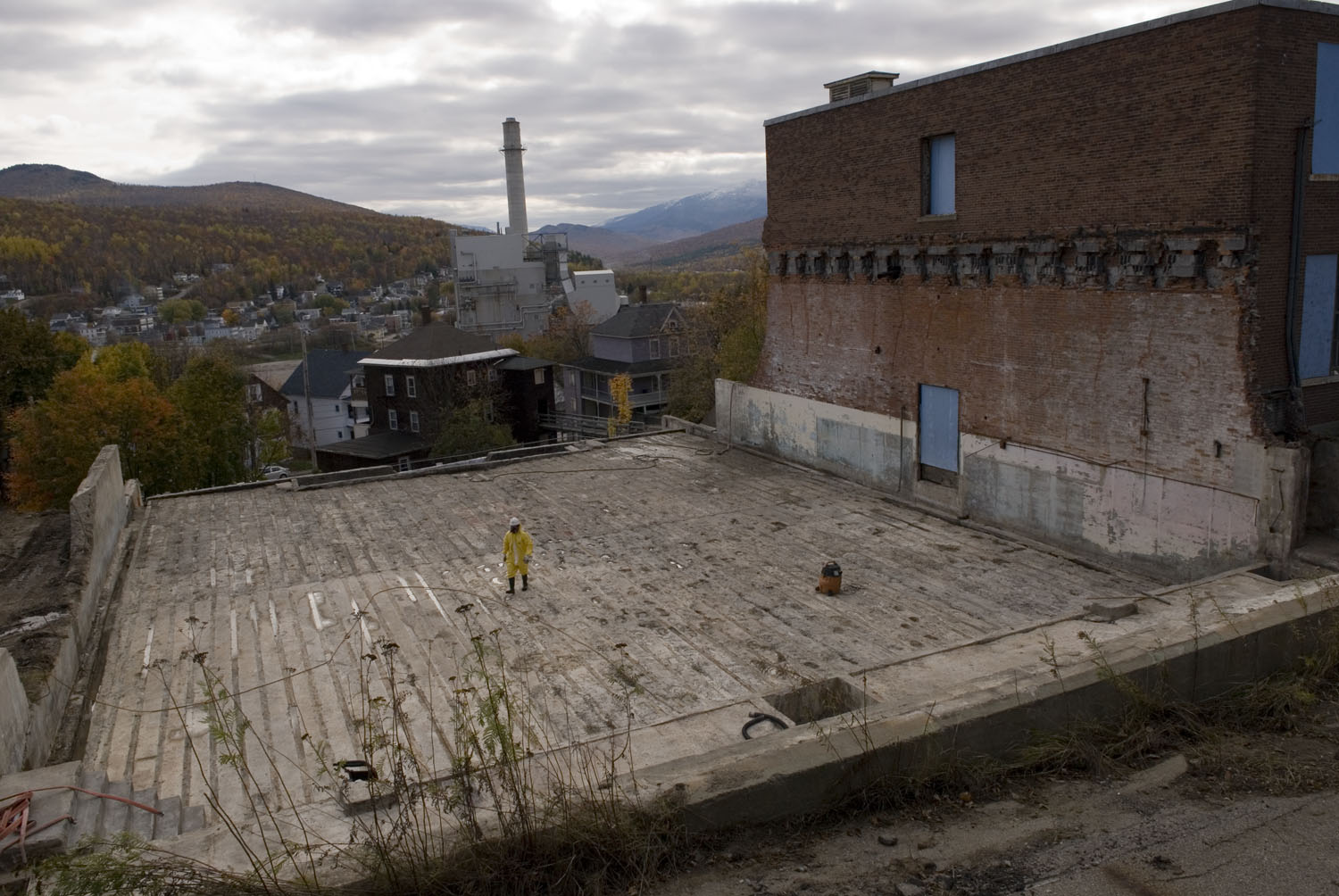
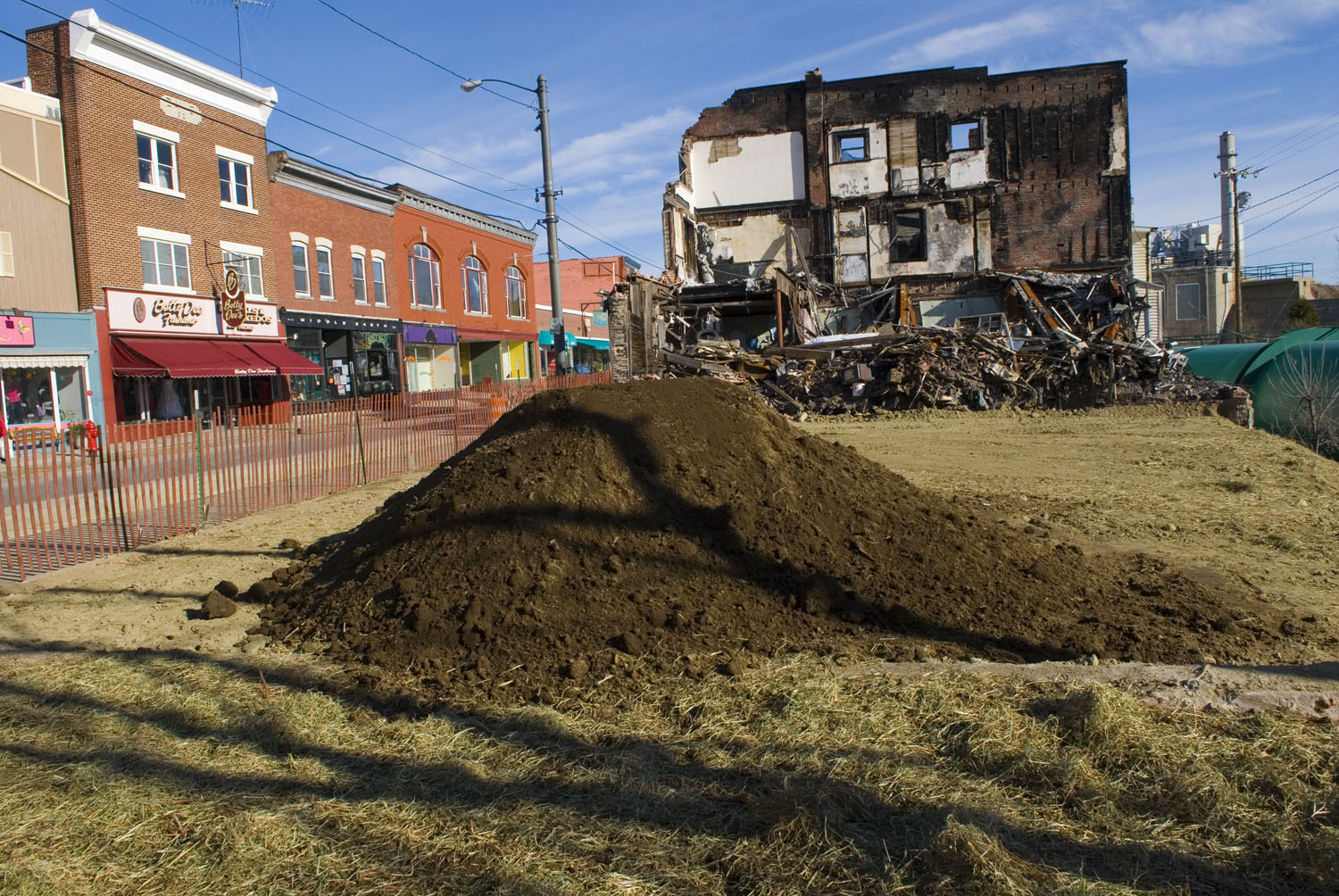
Good signs are spreading through Berlin. The properties at 90 and 92 Main St. were cleaned up with Neighborhood Stabilization Program money. Notre Dame was cleaned up with an EPA Brownfields grant. The property on High Street was cleaned up by the land owner. Berlin has things to smile about. These aren’t the most recent photos by any means, but it’s clear the work has been progressing. Under storm clouds and winter skies it might be hard to recognize, but slowly the city is riding itself of its most decrepit eyesores. Sometimes it just takes someone pointing it out before you notice it.

The Real Problem…

I wonder what the real problem is. I was talking to a friend who lives a block away from the house where the shooting happened, and he said he thinks the real problem in Berlin is the landlords renting out slums and moving people up from Nashua and Manchester to where their welfare dollars go further. Actually, to be fair, he only mentioned the landlords as the problem, and I am filling in the blanks. That is one version of the problem, the one he sees, and by all accounts one others agree with.
But low valuation of the property could be the problem. If the properties weren’t essentially worthless it wouldn’t be worth it for people to rent them out for so little they would be enticing to no-income renters.
And the property is valued so low because industry has dried up and there are no more jobs. Unless a sustainable economic model develops nothing is ever going to change in Berlin.
But the jobs that were there aren’t ever coming back, as Norm Charest often points out, because the manufacturing sector has sailed far to the east, and as yet there is nothing to replace it. There are jobs here and there that may come back, but no large scale employer coming anytime soon.

I wonder what, really, is the problem. There’s a graduate fellowship in Illinois where they will pay for your masters degree if you will then go to a post-industrial community to address exactly that question. I wonder what it would take to get them to send one of their fellows to Berlin.
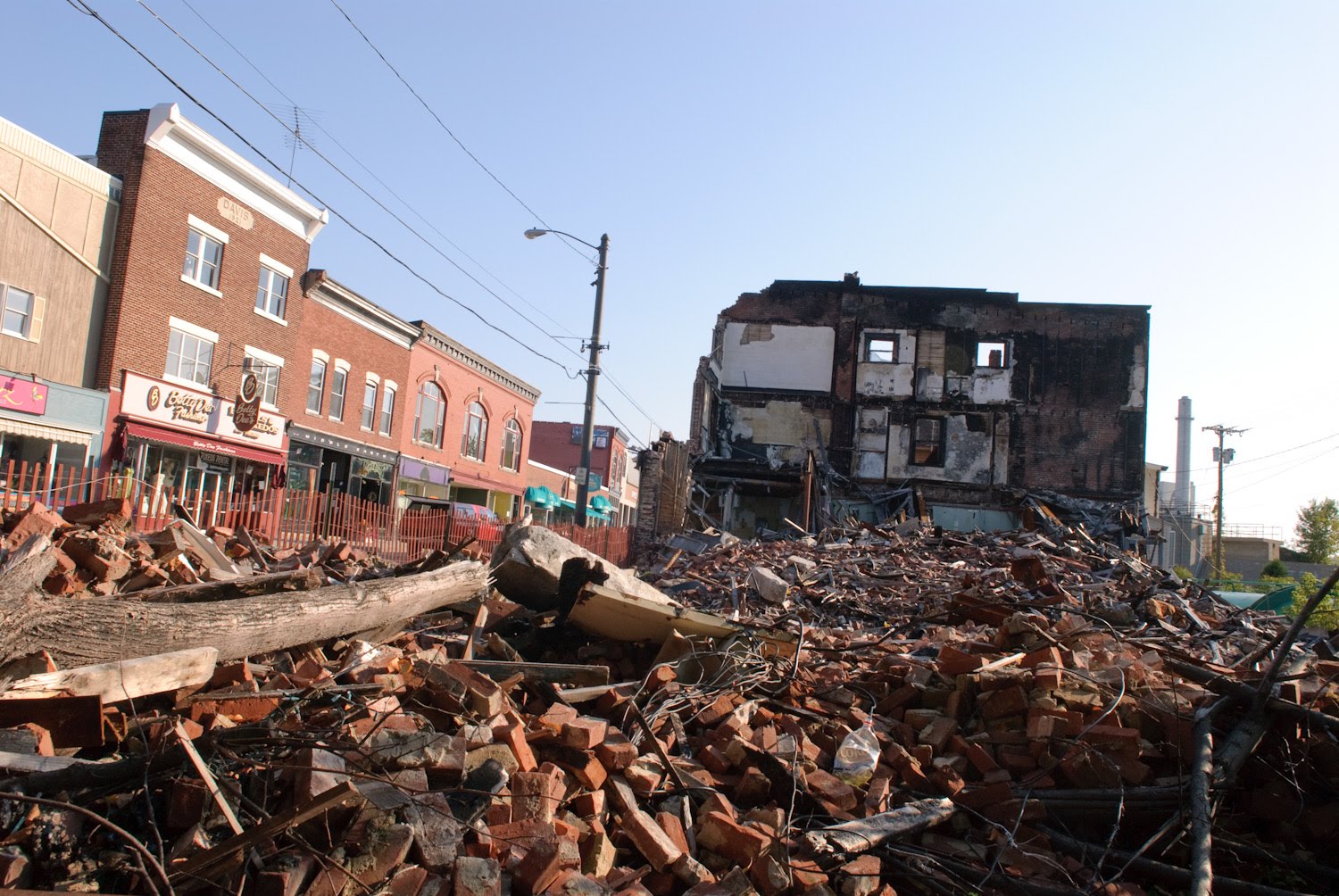
The city took down 92 Main St. and 844 Third Ave. in the last few weeks, and they have dozens more properties scheduled for demolition, but still the changes can’t come fast enough.

Berlin is racing toward its future with a boatload of assets, but with every step it gets jostled and risks spilling them all. One misstep could flatten it. It feels like the stakes rise the closer the city gets to evading failure.
The $4.3 million is working. It will be doing good for the community, even if that takes time to sink in. There are already several “happy little piles” around the city, including the one freebie on Mason Street. But then someone gets shot and dies in the street, and it’s hard to be reassured by the progress.

I’m waiting for the prison to open, for a biomass project to get going, for a few more of the buildings to be occupied and a few more of the relics to come down. Those are the steps it will take, tiptoeing around the end of industrial era, that will bring jobs back to Berlin.
And with the jobs will come the stores, and the property values as well. And rising property values rising will push out the property owners only looking to make a buck by moving people from south to north.

How long can the city hang on? It’s been fighting through the detritus left by the closing of the mill for the last several years, but it’s been fighting the slow death of the industry for decades. I don’t see residents giving up anytime soon.
The real problem is too complex for me. I report on the symptoms from time to time, but the root is still buried deep under the soil. As the only reporter for the Berlin Reporter it is beyond my capacity to get deep enough. I’ve discovered something about being a newsroom of one—you only have so many stories you get to. But in Berlin there is one story more pressing than all the rest, and it deserves individual attention: it is the real problem, which no one can explain, and it’s leaving kids dead on the streets. I wish I had the answer, but lacking that I wish I had time to delve into the question, because people are losing more than just sleep.

Sensational News

After a few comments about sensationalism, and then an opportunity for truly sensational reporting, it couldn’t be a better time to talk about the subject.

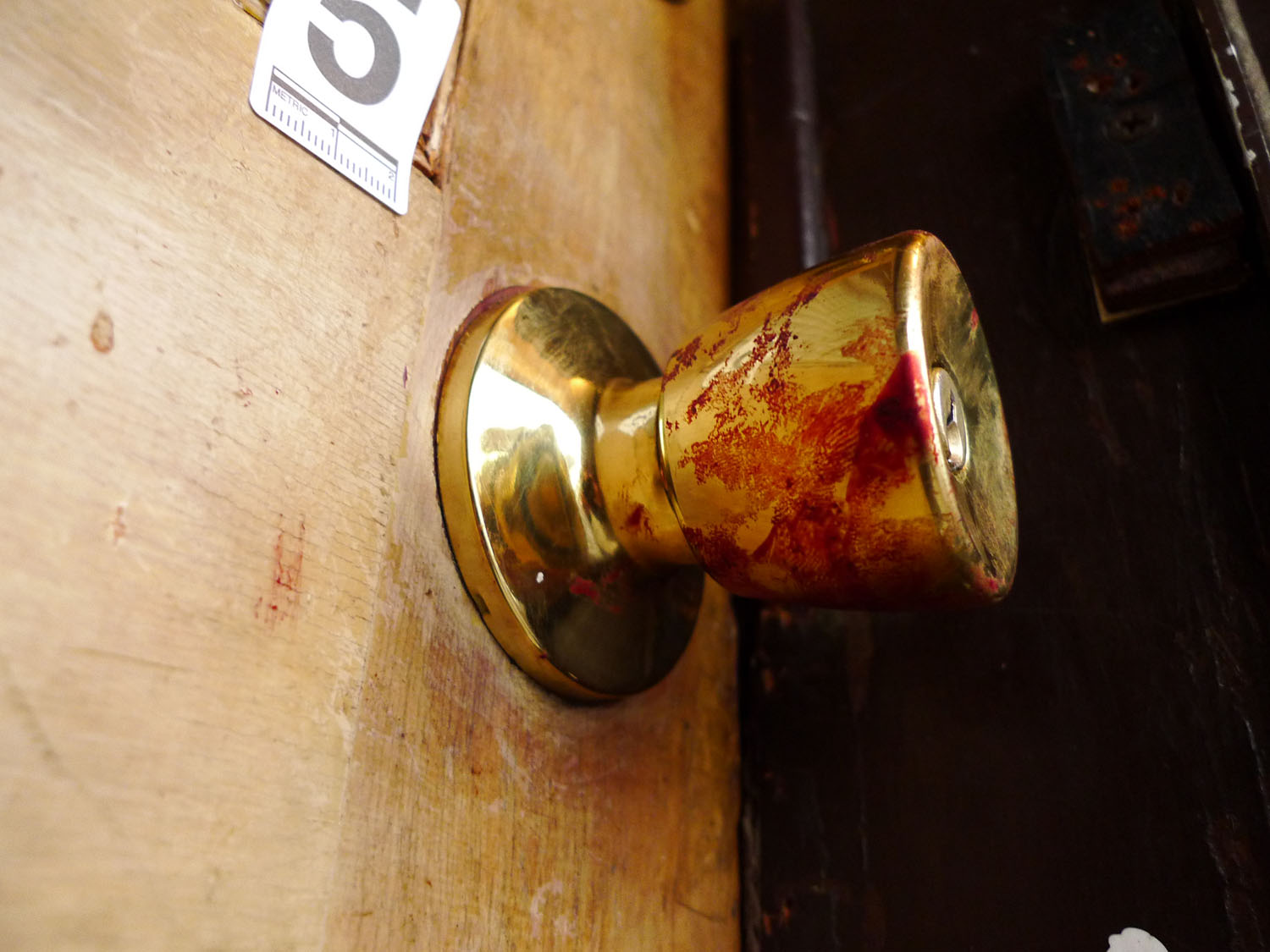
This is a photo of the door knob not at the house on Third Avenue, but at the house on Western Avenue where they found the man now in the hospital. I knocked on the door to see if I could find someone to talk to about the incident on Friday, and then I noticed the blood. Not just on the door handle, but on the door, the floor and the window. It won’t appear in the paper, because any blood is too much for a local weekly like the Reporter, but it’s worth posting here for discussion.

What level or “right to know” do people have? What level of self-censorship should papers exhibit? A dead body would never make it into the local paper, but there are heated debates about publishing photos of caskets returning from Iraq and Afghanistan. How are those discussions separated? Should they be? The funeral for man who was killed is today, and many papers would expect at least a photo. Is that appropriate? How do you react when you see something like that in the paper?

I have no interest in covering shootings. I love to follow the debates and politics, the policy discussions, and tensions between opposing sides in any forum. It is fascinating the agreements people reach, particularly in a small community, because, as one local public official told me recently, the person you are shouting at during a council meeting might be up pulling you out of a ditch the following night. This is an environment ripe for compromises.
Those debates are an integral part of reporting. They are the essence of politics, and I’m always psyched to cover them.

But then someone gets shot. I am the person covering Berlin for my paper, so of course it is my story. I was knocking on people’s doors at 616 Third Ave. in the rain on Friday, thinking how glad I am this is a rare occurrence in Berlin. I heard facts and details that won’t make the paper, and really don’t need to. What is the public’s right to know in this regard? Why do people care about? As a reporter out asking the questions, I had to wonder.

But as a consumer of news, I want to know what is going on. The incident that unfolded in Seattle yesterday, for example, is powerful and nationally significant, and I hope reporters don’t stop covering such stories. Maybe it’s just the wrong beat for me—I know lots of people who dread sitting through a planning board meeting.

I can’t affect any meaningful change by reporting on the shooting, and so I have trouble seeing the value in my doing it. It isn’t like it’s maintaining the press’ watchdog role to find out who shot who. No additional information about the gunshot wounds or the assault the preceded the shooting will do anything to keep a 23 year old man from having died on the street. The social pressures, the economic disparities, the societal influences that led these men to invade a home interest me; the direct result of the incident does not. Reporting about corruption or starvation or war, where someone can still do something to make it better makes sense to me, but it’s hard to see how this story will help people avoid a similar fate.
Other reporters don’t share my view on this. I heard one colleague got a phone call from a friend congratulating them on covering their first shooting. That would be a call I would not take.

City Manager Pat MacQueen compared Berlin to Mayberry several weeks ago. It’s ironic that so soon afterward there is a shooting that leaves one dead and one in the ICU. How is the local paper supposed to cover that? How is it supposed to tiptoe between the good and the bad in a community?
Berlin has lots of both. I’m constantly impressed with the city’s ability to rise above the devastating circumstances surrounding it, but at the same time I can’t ignore or stop reporting the bad. I would rather be covering the opening of ATV trails and new businesses than covering shootings, but I would be remiss if I did only one or the other. I’d rather be following the debate in city hall than avoiding the blood on Western Avenue.

So what is sensational? What is inappropriate? If some people want to know, and some don’t, who should the paper cater to? Normally these would be editorial decisions I wouldn’t be involved in, but because the Reporter is so small they are part of every story I cover. While most people will agree there is no value in a photo of a blood-stained door knob, what is the value of a story about incident that left the stain? How should the paper cover it? If it humanizes the people involved, does that treat ignore the crime they were attempting to commit? How do you tell the story of the life of the man that was shot to death when committing a crime? People sent flowers to his funeral, so some people obviously still care about him. I find it hard to believe anyone is all bad, but how do you do justice to all sides? How can a paper navigate those treacherous waters?
Those questions ought to be above my pay grade. In a small community like Berlin, however, they aren’t. The questions aren’t sensational, and the answers aren’t easy.

One Dead…

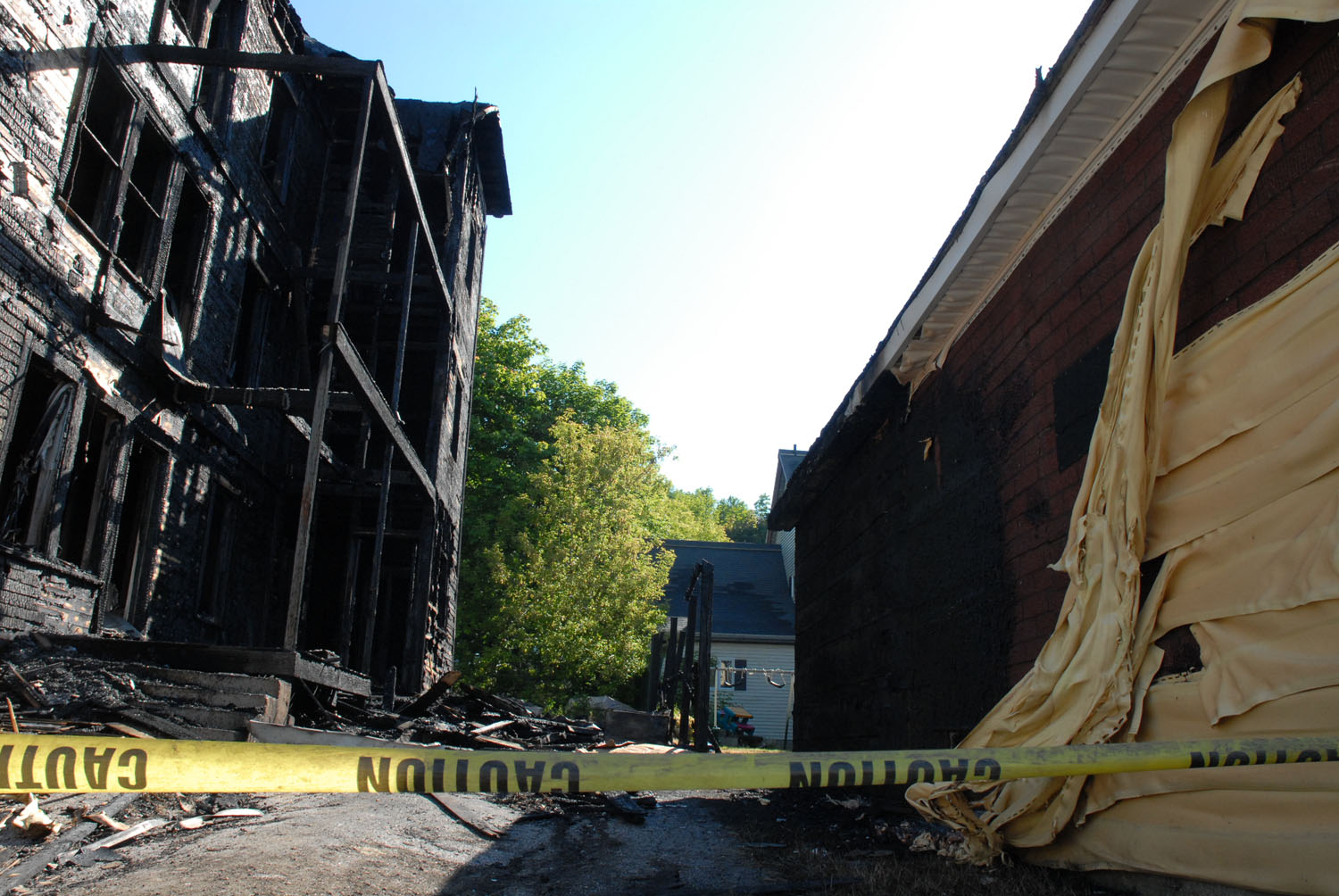
One person was killed and one was wounded after a home invasion on Third Avenue on Wednesday night. Police are still looking for a third person involved in the incident.

I’ll be looking for more information tomorrow. Just thought readers ought to know.

Update: Got the names of everyone involved except for the third person police are still trying to identify. Sounds like it was a busy Thanksgiving on Green Street.

Facebook Questions

I posted video of the wall on Main Street coming down yesterday to the Berlin Reporter’s Facebook page. I thought people would be happy to see it coming down, but the comments were mixed. One person said they should start at one end of Main Street and continue to the other, and then go down Western Avenue.
I spent yesterday going in and talking to several of the store owners on Main Street about the Roger Brooks visit last week, and every one of them was positive about the outlook. They came out of that meeting with a real optimism. They didn’t share any of the Facebook community’s hard-edged views.
Berlin’s biggest battle is convincing the world it isn’t a dead city. It doesn’t need to work to draw people in, because if the stigma is gone they will come on their own. The Reporter’s Facebook page has fans from around the country—I would imagine they are Berliners who fled years ago. It’s interesting to see how their opinions about the community compare with mine. Theirs is a long view of Berlin’s history without the most recent context, and mine is the recent events without the baggage. The more time I spend there the more I find Berlin values its heritage and its history, even to the point it hurts the economy.
Roger Brooks made a comment that communities can’t hang their hats on their history when it comes to tourism. Berlin built an entire park to its past. Northern Forest Heritage Park is a symbol of pride but not a big tourist attraction.
Councilor David Poulin offered to buy all the paper featuring the city seal at the council meeting on Monday. Some people see the council’s decision to change it as an affront to the city’s history. In a place where everyone examines the past with such scrutiny, it’s hard to plot a course forward with confidence.

It is hard for people to move past what they know. Norm Charest is often saying the city needs to be looking for the next economy. But the city also has to keep from loosing what is valuable. Berlin isn’t the type of city where people become lost in the crowd. People greet each other by name, and they remember what street you live on and whether you were born there. As someone said to me yesterday, who is the most-loved person in Berlin? Bobbie Haggart. That kind of community is something residents don’t ever what to lose, and for good reason.
That is the image of the city Berlin needs to get out there. That is the city people need to be reminded of. It happened before, when the building collapsed on Mason and Pleasant Streets, that I noticed the perspective the rest of the state views Berlin through. I’m not sure how to fight that, but you have to.

I’m starting to understand why residents get so frustrated with the rest of the state. I posted that video yesterday thinking it was good news, which is how most people from Berlin feel, but the outside perspective twists that around and turns it against the city.
Berlin needs an action plan—a way to combat that negative perspective. Complaining about it doesn’t change anything, so the city needs to figure out what does. Maybe an NHPR underwriting campaign that says, “Berlin, New Hampshire: It’s not what you think.” Maybe Stacia Roberge’s idea about sending out odorless car fresheners labeled “Berlin, NH.”

The problem isn’t Berlin, it’s the Berlin in their heads. The Berlin I go to cares about community and the people in it. It is the type of place where people look out for one another. It is the kind of place people should love. That idea, however, hasn’t permeated the state. It is still recoiling from the old Berlin. I wonder just what the steps are to change that, and how the city can take the first one.